Thursday, 20 August 2026

The Phantom Time Is Real: Charlemagne & Europe's Invented Past | Hidden History

The dark ages, the missing centuries. Civilization collapse then a reset. IMHO. 

"Did medieval monks fabricate 300 years of European history, including Charlemagne himself? The missing archaeological layers, the supposedly independent sources, and the documented forgeries all point to the same answer. Yes, they did. Our accepted historical timeline is a documented deception, heavily engineered by church chronologists."


Quick context: the Phantom Time Hypothesis was formulated by German researcher Dr. Heribert Illig in the 1990s and developed through decades of work by a group of German-speaking researchers - most notably Prof. Dr. Hans-Ulrich Niemitz, Prof. Dr. Gunnar Heinsohn, Christian Blöss, Uwe Topper, and others publishing in the journal "Zeitensprünge." They have stood by their work for decades despite ridicule and public attacks. Especially Dr. Heribert Illig, who carried the brunt of the defamation. This documentary builds on their research. The thesis is dismissed in mainstream academia - the video examines whether that dismissal actually holds up.


Teeth and jaw bone development

From Telegram

Weston Price documented indigenous children with dental arches so developed they held 32 straight teeth without orthodontics — while industrialized children showed narrowed faces, crowded jaws, and underdeveloped airways by age six.


How many hours did you spend researching car seats before you questioned the formula that deformed your child’s face? 

Prenatal and childhood nutrition determines facial bone projection, jaw width, airway volume, and hormonal trajectory for life. Ultra-processed diets deliver calories without the fat-soluble vitamins A, D, E, and K2 required for osteoblast activity and proper craniofacial development. The result is a generation of underdeveloped children — narrow palates, mouth breathing, sleep apnea, and the downstream metabolic and cognitive consequences of chronic hypoxia. Raw milk, raw egg yolks, and raw animal fats provide these nutrients in bioavailable form precisely when the developing body needs them. Aajonus observed that children raised on raw primal foods showed accelerated dental eruption, broader facial structure, and superior immune resilience compared to peers on industrial diets. The system tells you pasteurized formula and fortified cereals are safe while your child’s maxilla collapses inward. The deformation is not genetic. It is nutritional. And it is reversible if caught early enough.

Saturday, 15 August 2026

Who Is the God of the Bible? l Jordan Maxwell

Jordan Maxwell dedicated his life to studying comparative religion, symbolism, ancient civilizations, mythology, and the hidden foundations of modern belief systems.


Sunday, 26 July 2026

Pharma Looks to Cash in on Psychedelics as Patients Seek Alternatives to Psychotropic Drugs for Depression

From Children's Health Defense

 Eli Lilly’s multibillion-dollar acquisition of AtaiBeckley marks the largest pharmaceutical investment yet in psychedelic medicine, signaling a new phase for an industry once relegated to the margins of scientific research.

The deal, valued at approximately $2.8 billion upfront with up to $1 billion in additional milestone payments, gives Lilly control of AtaiBeckley’s experimental psychedelic therapies, including BPL-003, a fast-acting nasal spray containing N,N-dimethyltryptamine (DMT) being studied for treatment-resistant depression.

AtaiBeckley announced in October 2025 that the U.S. Food and Drug Administration (FDA) granted BPL-003 Breakthrough Therapy designation, a status intended to accelerate development of treatments for serious conditions when early evidence suggests substantial improvement over existing options.

“Millions of people are still searching for relief and desperately need a therapy that works,” said Dr. Carole Ho, president of Lilly Neuroscience. Advancing AtaiBeckley’s therapies, she said, gives Lilly “a real chance to change that.”

The company’s purchase comes as pharmaceutical companies increasingly move into a field that has attracted growing scientific interest but remains controversial because of questions surrounding commercialization, access, intellectual property — and whether corporate development will preserve the therapeutic models that shaped psychedelic research.

A turning point for psychedelic medicine

The Lilly-AtaiBeckley acquisition follows another major pharmaceutical investment in the sector. In 2025, AbbVie agreed to acquire Gilgamesh Pharmaceuticals’ experimental depression treatment Bretisilocin (GM-2505) in a deal worth up to $1.2 billion.

Bretisilocin targets the brain’s 5-HT2A serotonin receptor, the same receptor involved in the effects of classic psychedelics such as psilocybin and LSD.

Together, the deals suggest that major drugmakers increasingly view psychedelic compounds as a potential new category of mental health treatments.

Rayyan Zafar, Ph.D., a neuropsychopharmacologist at Imperial College London and member of the Centre for Psychedelic Research and Neuropsychopharmacology group, said the Lilly acquisition could help move psychedelics closer to popular medical use by making them “de-risked” for mental health utilization.

Pharmaceutical investment could extend past drug development by encouraging dialogue about insurance coverage and healthcare infrastructure needed to deliver new treatments, Zafar said.

“Beyond psychedelic clinical trials, it could also help stimulate broader discussion around reimbursement pathways and stimulate other public healthcare systems to begin preparing for rollout,” he added.

A new business opportunity — and new concerns

The pharmaceutical industry’s interest in psychedelics comes as companies search for new treatments in a mental health market full of patients who have not responded adequately — or have been harmed by — existing medications.

It also positions pharmaceutical giants to cash in.

Richard C. Deth, Ph.D., professor of pharmacology at Nova Southeastern University in Fort Lauderdale, Florida, said Lilly’s acquisition appears designed to establish a foothold in an emerging financial space.

“Clearly Lilly is buying to create a position in anticipation of an expanding market for these types of compounds,” Deth said.

Drugwatch senior writer Terry Turner said pharmaceutical companies are entering the field because of both commercial opportunity and unmet medical need.

“With Big Pharma companies, profit is always part of it, no question,” Turner said. “And there is a gold rush going on with psychedelics right now.”

He added that the combination of increased government attention, scientific interest and patients seeking alternatives has created momentum for the industry.

“Add all that up, and you’ve got a perfect storm pushing psychedelics from the lab into mainstream mental health care,” Turner said.

‘Enormous financial incentive to build intellectual property around psychedelics’

A central concern surrounding the pharmaceutical industry’s entrance into psychedelics is how companies will protect their investments and build exclusive trademarks around substances that often exist in nature — and what that means for patients.

Experts say companies generally cannot patent naturally occurring psychedelics in their original forms. However, they will seek intellectual property protections for modified compounds, delivery systems, manufacturing methods and specific medical uses.

Shannon Hughes, Ph.D., co-founder of Elemental Psychedelics, said patent strategies are central to the pharmaceutical business model.

“They’re clearly trying to patent certain psychedelics,” Hughes said. “Drug analogs of MDMA, DMT, LSD and psilocybin are being patented. Pharma companies wouldn’t enter the psychedelic business if they couldn’t patent the molecule.”

Hughes said naturally occurring compounds such as psilocybin and DMT cannot typically be patented in their natural state, so companies must create new intellectual property around pharmaceutical versions.

“Commercialization hinges on monopolization,” Hughes said. “Without patents, major pharmaceutical firms would not invest billions into late-stage clinical trials.”

She pointed to the BPL-003 nasal spray as an example of how companies are creating proprietary psychedelic medicines.

“AtaiBeckley’s lead candidates — such as BPL-003, an intranasal synthetic form of 5-MeO-DMT, and VLS-01, a buccal film of DMT — are specifically engineered, patented drug products designed to create defensible market monopolies,” Hughes said.

Brag Burge, founder of Integration Communications, a public relations firm specializing in psychedelic organizations, told The Defender pharmaceutical companies are not looking to control the substances themselves but to take over a multi-faceted approach to applying them.

“The commercial strategy is generally not to claim ownership over a naturally occurring psychedelic itself, but to patent new compounds, synthesis processes, formulations, delivery systems, combinations, and specific medical uses,” he said.

“There is an enormous financial incentive to build intellectual property around psychedelics, especially if that intellectual property can produce a treatment that is easier to manufacture, administer, insure or scale.”

How will pharma alter the psychedelic experience?

The development of pharmaceutical psychedelics may also change how these substances are experienced.

Unlike traditional psychedelic experiences, which may last several hours and often involve extensive preparation and integration, some new compounds are designed to shorten the duration of the psychedelic state to fit within existing healthcare systems.

The Multidisciplinary Association for Psychedelic Studies (MAPS), a nonprofit launched four decades ago to advocate for beneficial uses of psychedelic substances and marijuana, told The Defender they fear the overall healing potential for psychedelics could be lost in the Lilly-like takeovers.

“It’s good because a traditional pharma company sees value in the substances and the research being done in the psychedelic ecosystem,” the group said in a statement to The Defender. “It’s worrisome because we see therapy being left behind, and just the psychedelics being their main interest. So we can wait and see what and how they roll it out, but be ready to put pressure on them if it ends up being something far from the therapy-assisted focus we’ve researched and supported.”

Hughes said the psychedelic experience itself could also be altered with Big Pharma involvement.

“Pharmaceutical development of psychedelic molecules inherently removes the psychedelic ingredient from its natural biological context (the plant, fungus, or animal) as well as from its cultural context of use,” she said.

“This extraction from context changes how we interact with the drug and how its effects are experienced. It may even change the effects themselves, as what we consider to be the psychedelic ingredient might also be dependent on the myriad other known and unknown compounds that make up the plant system.”

She added:

“This is an experiment that we’ve done over and over, and generally the outcomes do not go in our favor. We extracted nicotine from the tobacco plant — both the chemical of nicotine and its traditional cultural and contextual use as a medicine — and we put it into the hands of industry.

“The outcome is addiction and chronic illness. We extracted opium from the poppy, and cocaine from the coca leaf. Might we be repeating this pattern by extracting or synthesizing psilocybin from the psilocybin-containing mushroom, and so on with other psychedelics?”

Altering psychedelic compounds could create unintended consequences

Researchers and companies developing psychedelic medicines emphasize that controlled pharmaceutical formulations may improve consistency and safety.

Critics argue that changing the compounds or shortening psychedelic experiences could introduce new risks.

Turner said early trials of BPL-003 have reported mostly mild to moderate side effects, including nausea, temporary blood pressure increases and nasal irritation.

However, he said some risks may become apparent only after widespread use.

“As far as severe side effects go, you don’t often find out what those may be until a pharmaceutical is on the market for a while and a large number of people have been taking it,” Turner said.

Hughes said altering psychedelic compounds could create unintended consequences.

“We also don’t understand the entourage effects involved in the whole plant or fungus,” she said. “Removing one ingredient that we think is ‘the’ important ingredient and using it in isolation can absolutely create unforeseen risks and side effects.”

She said shorter, more intense psychedelic experiences could create additional challenges.

“Shortened, hyper-intense psychedelic experiences can lead to acute distress, disorientation or destabilization if a patient is discharged too quickly without adequate psychological preparation, grounding and relational support,” Hughes said.

Burge said researchers should continue evaluating not only whether psychedelic medicines work, but how they work and what elements of the experience contribute to outcomes.

“Every psychedelic has side effects, meaning effects beyond the main outcome being sought,” Burge said.

He noted that the subjective psychedelic experience itself can be part of the therapeutic process.

“Some researchers and companies describe hallucinations as an unwanted side effect, while others believe the subjective experience — including visions, emotions, memories and changes in perspective — might be central to how psychedelic therapy works,” Burge said.

A $7 billion market by 2032?

Despite ongoing debate, investors and analysts expect the psychedelic medicine sector to expand.

Bloomberg estimates the psychedelic-treatment market could reach approximately $7 billion in annual sales by 2032.

In recent years, Johnson & Johnson’s Spravato (esketamine) nasal spray became the only FDA-approved psychedelic-derived medicine for treatment-resistant depression.

First approved in 2019 for use with an oral antidepressant, the drug received expanded FDA approval in January 2025 as the first and only standalone (monotherapy) treatment for adults with treatment-resistant depression.

Spravato reported $468 million in first-quarter 2026 sales, up 46% year over year.

Meanwhile, other psychedelics have shown promise for treating mental health issues.

Compass Pathways reported positive six-month Phase 3 trial data showing its investigational synthetic psilocybin treatment, COMP360, delivered quick and lasting benefits for patients with treatment-resistant depression, reinforcing results from an earlier trial.

The company said 39% of patients receiving the 25-milligram dose achieved a clinically meaningful reduction in depression symptoms by week six after two doses and maintained that benefit through at least week 26.

COMP360 also continued to demonstrate a generally well-tolerated safety profile with no new safety findings, the company said.

Compass said the results strengthen its rolling New Drug Application with the FDA, with final submission expected in the fourth quarter of 2026. If approved and rescheduled by the Drug Enforcement Administration, the company expects to launch COMP360 in the first half of 2027.

At the same time, lawmakers continue to advance legislation related to psychedelic substances as interest grows in their potential use for treating mental health conditions, including post-traumatic stress disorder and depression.

President Donald Trump signed an executive order in April directing federal agencies to accelerate the review of certain psychedelic therapies, including ibogaine.

While several states have approved research funding, pilot programs or regulated therapeutic access, federal law continues to classify most psychedelics as Schedule I controlled substances.

The FDA did not respond to requests for comment.

Original article

Friday, 24 July 2026

Annnouncement

 A lot of videos and content was removed by Youtube but hey, we do not dispair :) 

If I could not find the original videos, I reposted some new content especially in the cancer and GMO cathegories and also new content added, check out MRNA, Ivermectin, CDS and covid labels. I have never wanted to post about these originally. 

Any posts, you noticed that are missing and you are interested in, please let me know here in the comments section.

Enjoy :) 

Sunday, 14 June 2026

Graham Hancock interview

Graham Hancock had a successful heart surgery and he is doing well.

What is ancient astronomy hiding about our true history? Graham Hancock reveals the catastrophe that erased 12,800 years of our past, what the Great Pyramid is actually trying to tell us, and what he refuses to leave unsaid with heart surgery just weeks away.
Graham Hancock is a best selling writer and journalist who has spent 3 decades investigating evidence for a lost prehistoric civilisation. He is the author of international bestsellers including 'Fingerprints of the Gods', and is the presenter of the Netflix documentary series 'Ancient Apocalypse'.


He explains:
◼ Why the Great Pyramid contains knowledge humans shouldn't have had for another 2,500 years
◼ The ancient maps that show a continent nobody should have known existed yet
◼ How the Amazon rainforest is actually a man-made landscape hiding what's buried beneath
◼ What 80 ayahuasca ceremonies taught him

Sunday, 17 May 2026

The proven way to prevent heart attacks and strokes based on science, with Dr. Tom Cowan

 The Primal Podcast 


Scientific Resources & Dr. Cowan’s Work:

Sunday, 19 April 2026

Vaccines and Neurological Injuries

Dr. Russell Surasky—a rare U.S. physician double board-certified in neurology and preventive medicine—breaks his silence about vaccine injuries he has repeatedly seen at the hospital.

Sunday, 29 March 2026

The Mandela Effect Phenomenon (2024) | FULL DOCUMENTARY


What if Mandela really did die in prison.  We were sold a narrative- again. Same script, with slight variations again and again. The actor playing the demented "Biden", Epstein's corps, etc. 

Saturday, 14 March 2026

Progesterone Misconceptions: A Few Things to Know

 Leigh Erin Connealy

March 09, 2026

Progesterone is one of the most important hormones in the human body, yet it is also one of the most misunderstood. For decades it has been overshadowed by confusion around synthetic progestins, misconceptions about hormone therapy, and a tendency to reduce hormones to overly simple narratives. As a result, many physicians rarely consider progesterone outside of fertility or pregnancy, despite its broad effects on the brain, metabolism, inflammation, and tissue health.

Progesterone is not a rare or experimental compound. It is an inexpensive hormone the body naturally produces and that has been studied for decades. Yet persistent misconceptions about its role have prevented it from being widely used or properly understood.

To clear up some of this confusion, I want to break down a few of the most common misconceptions about progesterone:⬇️

1. “Estrogen is the ‘female’ hormone, not progesterone.”

Estrogen often takes center stage, especially in menopause care. Many women are told they can’t take estrogen without also taking progesterone, not because it’s equally important, but because progesterone helps protect the body from estrogen’s unopposed effects. Progesterone is essentially treated as a buffer.

Estrogen has been widely considered the primary female sex hormone, largely because of its role in stimulating tissue growth. Estrogen drives many of the physical features we associate with femininity, including breast development and the widening of hips during puberty. It’s essential for ovulation, menstruation, and pregnancy, and without it, reproduction would be impossible.

But progesterone may be even more important, and it rarely gets the attention it deserves. Its very name comes from its central role in fertility: “pro-gestation,” the hormone that supports pregnancy. But its influence extends far beyond reproduction. Progesterone is a master regulator. It stabilizes tissues, protects against inflammation, supports metabolic balance, and helps the body respond to stress in healthy ways. Unlike estrogen, which tends to stimulate, progesterone calms, shields, and repairs.

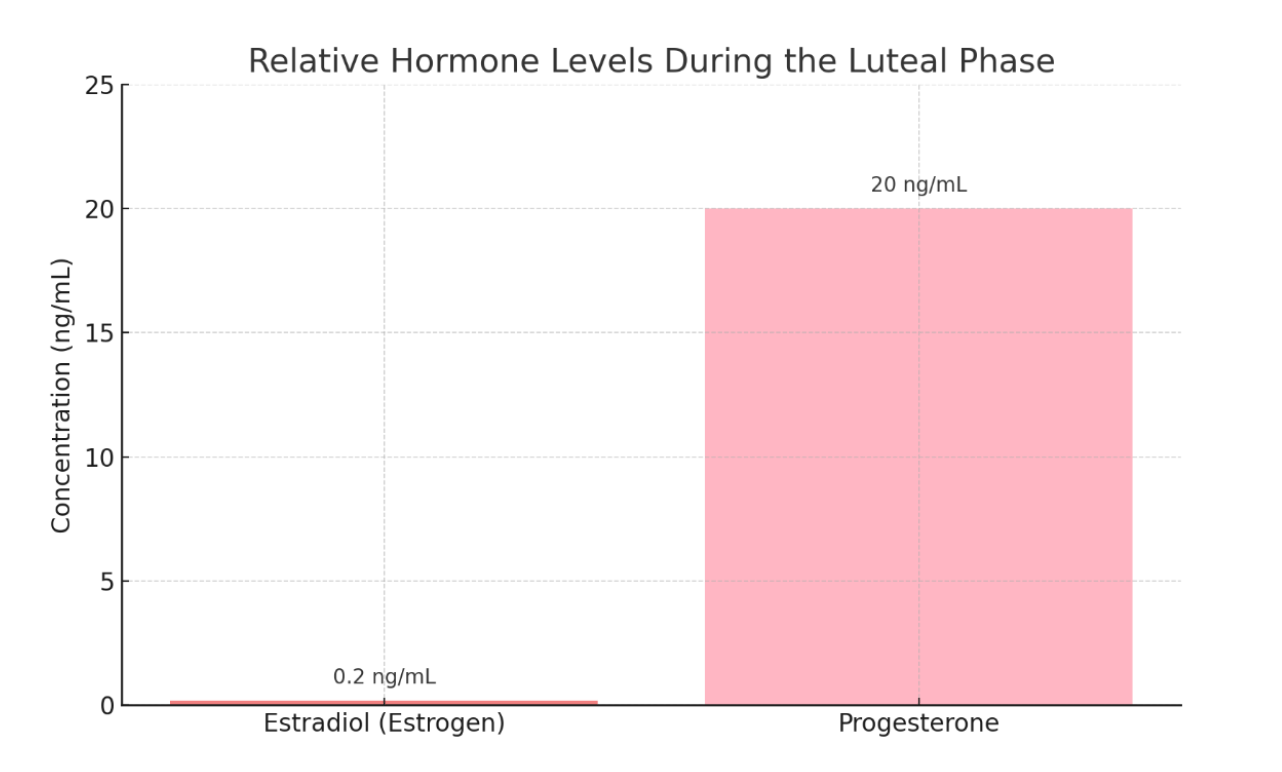
Interestingly, our bodies naturally produce only tiny amounts of estrogen—just fractions of a nanogram in the blood. In contrast, progesterone is produced in much larger quantities, especially after ovulation and during pregnancy. This is a reflection of progesterone’s broader importance.

On lab tests, estrogen and progesterone are measured in different units because they exist at vastly different concentrations in the body. For example:

  • Estrogen is typically measured in picograms per milliliter (pg/mL). A picogram is one-trillionth of a gram. It’s measured in such small units because it’s incredibly potent. The body only needs very small amounts of estrogen to have strong biological effects.

  • In contrast, progesterone is measured in nanograms per milliliter (ng/mL). A nanogram is one-billionth of a gram. This is because it’s produced in much larger quantities. In fact, one nanogram equals 1,000 picograms, so even if the number looks smaller, the actual amount of hormone is significantly greater.

During the luteal phase, a woman’s body typically produces 10 to 30 nanograms of progesterone per milliliter of blood, while estrogen (specifically estradiol) stays around 100 to 300 picograms per milliliter.

Since one nanogram equals 1,000 picograms, that means progesterone levels are roughly 100 to 300 times higher than estrogen.

This is like a teaspoon of estrogen compared to a gallon of progesterone.

Even throughout most of the follicular phase, when progesterone levels are considered “low,” the concentration of progesterone remains elevated above estrogen.

It is only in the final day or two before ovulation that estrogen briefly surpasses progesterone in concentration. This short window marks the estrogen surge that triggers the LH spike and leads to ovulation, after which progesterone rises sharply and once again becomes the dominant hormone.

Most people often compare the two hormones by their numbers alone, without considering the units. This leads to a skewed perception—where estrogen appears “higher” or more dominant, simply because its levels are presented in smaller units. In reality, progesterone is often tens or even hundreds of times more concentrated.

Even during the third trimester of pregnancy, both estrogen and progesterone reach the highest concentrations they will ever attain in the human body:

  • Estradiol (the main form of estrogen) can rise to around 25,000–40,000 pg/mL.

  • But progesterone can reach approximately 200,000 pg/mL.

So, progesterone is still 5-8 times higher than estrogen.

When it comes to HRT, hormone balance, etc., estrogen usually gets most of the attention but our physiology shows us that progesterone is even more important. We need both hormones, but we need them in the right proportions.

Progesterone stabilizes tissues. It ensures that cells differentiate, and that tissues stay organized, functional, and safe. 

Progesterone promotes a healthy cellular metabolism, helps cells use oxygen efficiently, reduces inflammation, balances blood sugar, and protects against overstimulation by estrogen. It calms the nervous system, supports deep sleep, stabilizes mood, and nurtures the uterine lining for pregnancy. It strengthens bones, protects brain tissue, and even supports thyroid function.

Estrogen is a growth promoter—it tells tissues to multiply and expand. But unregulated growth can quickly become dangerous if not balanced. And in general, we need little tissue growth (except during puberty, menstruation, pregnancy, and repair from injury). 

Estrogen also stimulates excitatory neurotransmitters, it can raise cortisol, influence blood flow and cardiovascular health, cause weight gain, and increase fluid retention. In high amounts, it can heighten sensitivity to stress, amplify inflammation, and trigger histamine reactions. It affects nearly every system in the body—the brain, the bones, the immune system—sometimes in helpful ways, but often in ways that require careful regulation.

Without enough progesterone to balance it, estrogen’s effects can become excessive, and even dangerous. So, progesterone deserves more than a supporting role.

2. “Progesterone and synthetic progestins are the same.”

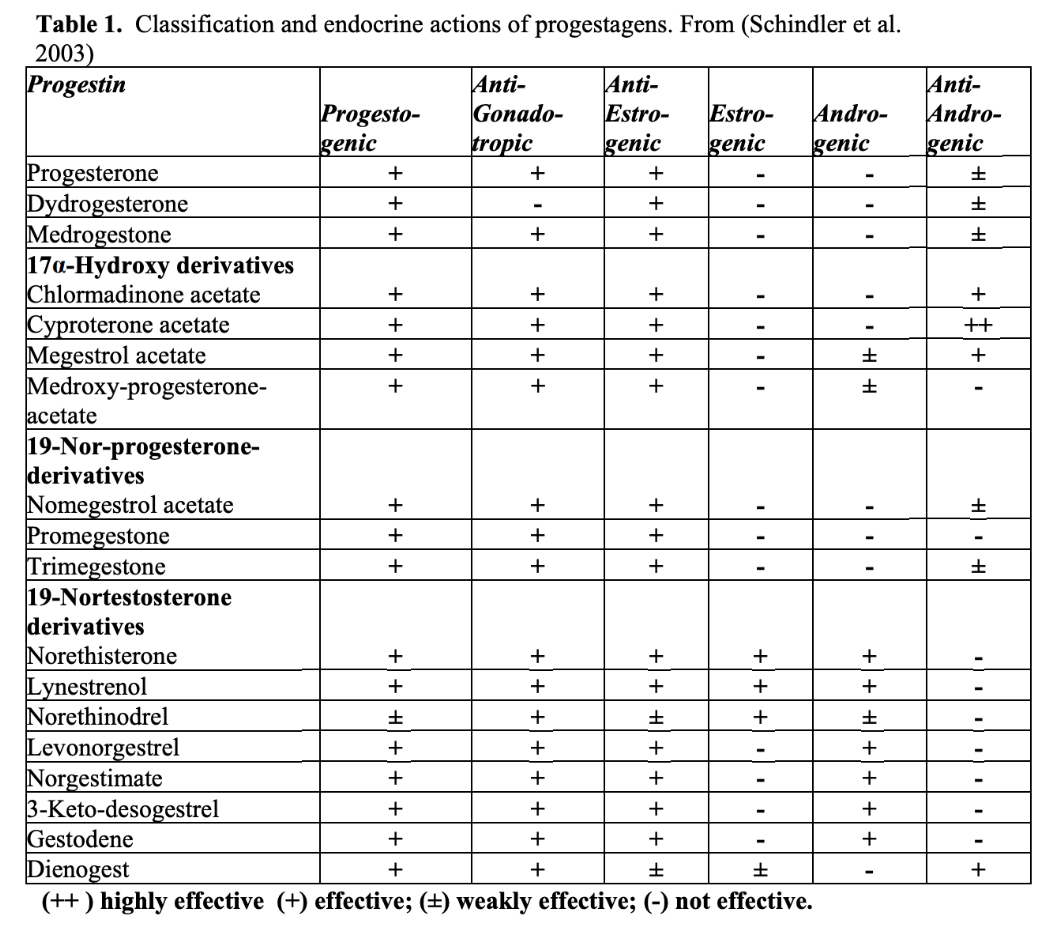
A common misconception when it comes to hormone replacement therapy (HRT) is that progestins are the same as progesterone. Progestins are often used interchangeably with progesterone, even in medical articles and mainstream media.

So what is the difference between bioidentical progesterone and synthetic progestins?

Micronized progesterone is a bioidentical hormone with a molecular structure identical to the endogenous progesterone produced by the ovary. Synthetic progestins have a completely different chemical structure from progesterone. They are made from various steroid “base” molecules, such as estrogen and testosterone.

Progestins get their name because they’re designed to bind to the progesterone receptor, anything that does can technically be called a “progestin.” But binding alone doesn’t mean they act like real progesterone. In reality, synthetic progestins often trigger very different, and sometimes opposite, effects in the body

Incidentally, progestins often act more like estrogen, amplifying the harmful effects of estrogen and increasing the risk of cancer.

Conflating progestin with progesterone has led to widespread misunderstanding. This confusion has unfairly maligned bioidentical progesterone, which plays a protective role, opposes estrogen, supports healthy cell differentiation, and reduces the risk of hormonally driven cancers.


A few things to know:

  • One family of progestins, norethisterone, norethisterone acetate and norethindrone, in particular, are metabolized and actually become estrogens in the body (PMID: 12359276).

  • Medroxyprogesterone, the progestin most commonly used in HRT, acts like prednisone in the breast tissue and causes breast cells to proliferate. It increases the growth-promoting effects of estrogen, worsens insulin resistance, raises levels of insulin-like growth factor 1 (IGF-1), which is strongly linked to cancer development, and lowers sex hormone-binding globulin (SHBG), a protein that helps protect against hormone-driven cancers (PMID: 21336598).

  • Beyond cancer, progestins can cause cardiovascular damage and increase the risk of heart attacks, while progesterone has no adverse effects on the heart (PMID: 11108872).

  • Progesterone is “pro-gestation” and pro-fertility, hence the name, while progestins are used in contraceptive pills because of their anti-fertility effects.

Studies show that adding synthetic progestins to estrogen in hormone replacement therapy increases risk of breast cancer even when compared to the risk of using estrogen alone.

The famous Women’s Health Initiative trial of combined estrogen plus progestin had to be stopped early when overall health risks, including the risk of invasive breast cancer, became too great. Even the relatively short-term use of estrogen plus progestins significantly increases the risk of breast cancer. Using unopposed estrogen and estrogen plus progestin for long periods of time has also been associated with increased ovarian cancer risk.

In contrast, observational studies suggest that in menopausal women, the use of estrogen with progesterone may be associated with a lower risk of breast cancer when compared to the use of estrogen and synthetic progestin (PMID: 27456847).

In fact, women with a progesterone deficiency have 5.4 times the risk of premenopausal breast cancer when compared to women with normal hormone levels. Progesterone is highly protective of breast cancer (PMID: 7304556).

For women on hormones it can be helpful to:

  • Look for “micronized progesterone.” This is bioidentical and often derived from wild yam. Products that list “norethindrone,” “medroxyprogesterone acetate (MPA),” etc. are synthetic progestins.

  • Don’t be afraid to clarify with your doctor: “Is this bioidentical progesterone or a synthetic progestin?” Many providers still use the terms interchangeably.

  • Look for USP Progesterone: If using a cream, the ingredient should say “USP progesterone.” That’s the standard for bioidentical formulations.

While, progestins are commonly used in birth control, fertility treatments, and menopause therapies, for my patients, I like to use real, bioidentical progesterone, especially when estrogen is part of the therapy.

The word progesterone should not be used to describe progestins, yet this confusion still shows up in medical literature and mainstream reporting. Getting the terminology right is so important because it has real health consequences.

3. “If a cancer is progesterone-receptor positive, progesterone contributes to its growth.”

Progesterone receptor–positive (PR+) breast cancer refers to tumors that express receptors for progesterone. These receptors act like molecular switches. When the hormone binds, it can influence the cell’s behavior, including metabolism, growth, and gene expression.

PR+ tumors are almost always also estrogen receptor–positive (ER+), because estrogen signaling triggers the production of progesterone receptors. Together, ER and PR status help define a broader group called hormone receptor–positive (HR+) breast cancers, which account for about 75% of all breast cancer cases.

Historically, it has been assumed that because estrogen receptors (ER) promote tumor growth, progesterone receptors (PR) must do the same. But this is a misconception. PR is actually regulated by estrogen, meaning its presence often reflects an active estrogen signaling, not that progesterone itself is driving growth.

The role of progesterone itself has remained poorly understood, and this confusion has led to longstanding caution around its use in PR+ cancers. Although progesterone receptor–positive (PR+) tumors contain receptors for progesterone, this does not mean progesterone causes cancer:

  • The presence of a receptor simply means the cell can respond to the hormone, not that the hormone is harmful. Clinical treatment strategies have historically focused on blocking estrogen and have largely avoided giving progesterone, often out of caution rather than evidence.

  • Estrogen, not progesterone, has been repeatedly and conclusively shown to drive tumor growth in hormone receptor–positive breast cancers. Estrogen directly stimulates cell division in breast tissue, and decades of research, from molecular studies to large-scale clinical trials, proved that blocking estrogen with therapies like tamoxifen or aromatase inhibitors reduces recurrence and improves survival.

  • Because progesterone does not cause cancer, there are no widely used drugs specifically designed to block progesterone in cancer treatment. Antiprogestins like mifepristone exist, but they are not routinely used in clinical practice because they have not shown consistent benefit or improved outcomes.

  • The assumption that progesterone might also cause cancer growth arose largely because PR+ tumors express the receptor, not because there was strong evidence showing that progesterone itself promotes malignancy. In fact, there is no evidence that natural progesterone independently causes tumor growth.

We know mechanistically that progesterone has several anticancer effects. Progesterone:

  • Induces cellular differentiation. It encourages cancer cells to mature into more specialized, less aggressive forms.

  • Inhibits cell proliferation. Progesterone slows down the rate at which cancer cells divide, partly by suppressing growth-promoting genes like cyclin D1 and MYC.

  • Reprograms estrogen receptor activity. It alters how estrogen receptors bind to DNA, reducing estrogen’s tumor-promoting signals in ER+/PR+ cancers.

  • Promotes apoptosis. It triggers programmed cell death by upregulating p53 and downregulating survival genes like BCL-2.

  • Improves mitochondrial function. It supports cellular energy production and reduces oxidative stress by enhancing mitochondrial efficiency and promoting a shift away from glycolysis toward oxidative phosphorylation.

  • Reduces inflammatory signaling. It suppresses inflammatory mediators like IL-6, COX-2, and TNF-α, which contribute to tumor growth and immune evasion

  • Stabilizes the tumor microenvironment. It helps maintain tissue integrity and reduce oxidative stress, creating a less favorable environment for cancer growth.

There is no known mechanism by which progesterone promotes cancer. Unlike estrogen, which directly encourages proliferation, progesterone’s main role is to support differentiation and stabilize tissue structure.

This is why focusing only on receptor status can be misleading. Just because a tumor expresses progesterone receptors does not mean progesterone is promoting its growth. What matters is the biological action triggered by the hormone, and in the case of progesterone, that action tends to limit rather than encourage uncontrolled division.

Because of its protective effects, progesterone may actually be beneficial for PR+ cancers.

  • In a 2015 study published in Nature, researchers demonstrated that activating the progesterone receptor (PR) with natural progesterone could actually reprogram estrogen receptor (ER) activity in ER+/PR+ breast tumors, making them less aggressive and more responsive to treatment. Using natural progesterone on PR+ positive tumors reduced cell proliferation and promoted differentiation, effectively softening the tumor's behavior. These effects were even more pronounced when progesterone was combined with conventional anti-estrogen therapies like tamoxifen or aromatase inhibitors. This combination produced a greater anti-tumor effect than either treatment alone.

  • In another study published in the Annals of Clinical & Laboratory Science, researchers conducted in vitro experiments using human breast cancer cell lines to investigate the direct effects of natural progesterone on tumor behavior. They specifically focused on T47-D cells, which express the progesterone receptor (PR), and compared them to PR-negative cancer cells. Interestingly, they found that natural progesterone significantly inhibited cell proliferation, by up to 90%, and triggered apoptosis (programmed cell death) in the PR-positive cells. Authors concluded that natural progesterone not only slows cancer cell growth but actively helps eliminate malignant cells.

  • In a 2017 study published in Cellular Oncology, researchers investigated the effects of natural progesterone on breast cancer cell behavior. They conducted in vitro experiments using both progesterone receptor-positive (PR+) and PR-negative (PR−) human breast cancer cell lines. The study found that progesterone treatment led to a significant reduction in cell invasion and migration in both PR+ and PR− breast cancer cells. This inhibitory effect was associated with reduced the activity of certain proteins (like FAK and cofilin) that normally help cancer cells move and invade nearby tissue. The findings suggest that natural progesterone can suppress the invasive behavior of breast cancer cells through mechanisms independent of progesterone receptor expression.

Natural progesterone should be recognized as a valuable tool in treating hormone-sensitive breast cancers, even in PR+ tumors, where the receptors it needs are still present and active. “Physicians should have no hesitation prescribing natural progesterone” (Lieberman and Curtis, 2017).

4. “Men don’t need progesterone.”

Another common misconception is that progesterone is only relevant to women. Because it is associated with the menstrual cycle and pregnancy, it is often assumed to have little or no importance in male physiology. However, progesterone is important for men too.

Men produce it primarily in the adrenal glands and testes, though levels are naturally lower than in women. Even so, progesterone still participates in maintaining hormonal balance. When progesterone levels are insufficient relative to estrogen, men can experience symptoms associated with estrogen excess, including fatigue, mood changes, decreased libido, and metabolic disturbances.

  • Progesterone plays a role in male fertility itself. Studies have shown that when sperm encounter progesterone in the female reproductive tract, it helps activate the processes that allow sperm to successfully fertilize an egg (PMID: 10928417)

  • Research has shown that progesterone can support prostate health by opposing the growth-promoting effects of estrogen in prostate tissue.

  • Progesterone also plays an important role in the male brain. It functions as a neurosteroid that helps regulate mood, stress, and cognitive stability. Progesterone and its metabolites interact with neurotransmitter systems involved in calming neural activity. Low levels have been associated with increased anxiety, irritability, and stress sensitivity.

Because progesterone is naturally lower in men, therapeutic dosing dosing must be lower as well: “After the age of 35 or 40, many men experience a decline in their resistance to stress, corresponding to the decline in protective substances such as DHEA and progesterone. Often a small amount of progesterone, 5 or 6 mg…can make a difference, sometimes lasting for a few days or more. Paying close attention, the effects are usually noticeable within about half an hour. At a certain level, progesterone can antagonize the effects of testosterone; in younger men. That effect passes within a day of stopping the progesterone" (Dr. Ray Peat, 2021).

Calling hormones “male” or “female” hormones can have real consequences because it shapes how they are used—or ignored—in medical treatment. In reality, the endocrine system does not follow such simple categories. Men produce progesterone and estradiol, and women produce testosterone. Each hormone participates in a broader network that supports metabolism, brain function, and reproductive physiology in both sexes.

The truth is, most doctors aren’t trained to use progesterone therapeutically. In conventional medicine, hormones are often viewed only through the lens of stimulation and suppression. Estrogen is a driver of growth, and progesterone is often assumed to act the same way. But that’s not how it works biologically.

Unfortunately, because natural progesterone can’t be patented, there’s been little incentive to study it. What we do have are decades of independent research showing that progesterone receptor–positive cancers often have better outcomes, that progesterone supports healthy cell differentiation, and that it may help treat cancer and countless other conditions (PCOS, endometriosis, autoimmune conditions, etc).

If you or someone you love is navigating hormone imbalances or cancer, it’s important to become your own advocate: read, research, and understand your options. Progesterone isn’t the enemy. And I believe the more we understand it, the more we can empower both women and men to approach cancer treatment with both science and hope.


Link to the original